

Draft for review by Nathan and Edmond. Map pins show the approximate centre of each area.
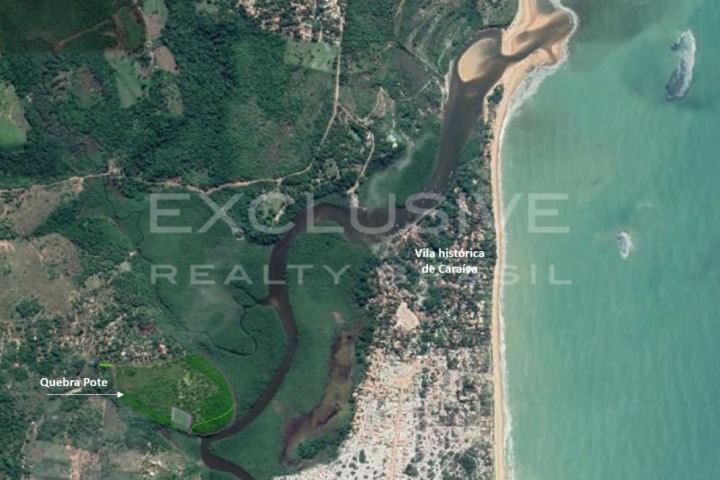
Caraíva is the most remote village on the Discovery Coast. A fishing village on the south bank of the Caraíva river, with sandy streets and no cars, reached by a short canoe crossing. This guide covers how to get there, the beaches and places around it, and what to know before buying.
- Communities
- Places to know
Where to live
The communities
1Caraíva Village
The village itself, between the river and the sea: sandy lanes, colourful houses, pousadas and small restaurants. There are no cars; luggage goes by cart from the canoe landing.
Properties in Caraíva Village2Around Caraíva
Properties outside the village, from riverside plots to larger pieces of land near the road and the coast, with the village a short canoe ride or walk away.
Properties in Around Caraíva
Around the area
Beaches and places to know
AThe river mouth
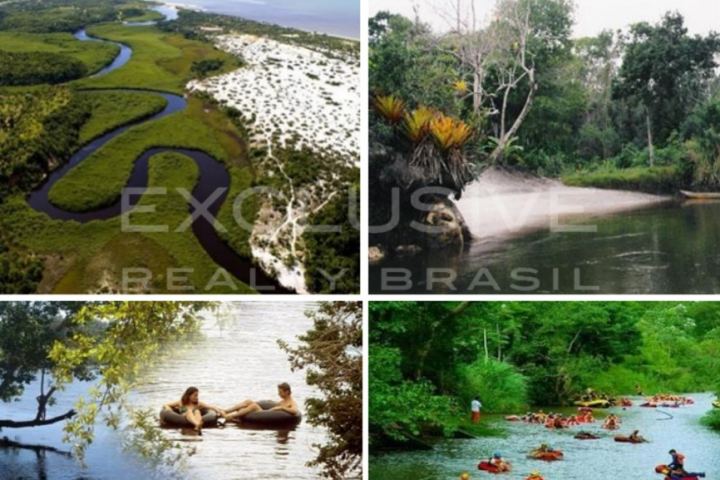
Where the Caraíva river meets the sea, about ten minutes’ walk from the village, with calm water on the river side. Floating down the river on an inner tube is a local favourite.
BPraia do Satu
A quiet beach about 3 km north, across the river, on the coastal walk to Espelho.
CPonta do Corumbau
A sand spit about 10 km south that reaches far into the sea, visited by boat or beach buggy.
DMonte Pascoal National Park
Created in 1961 around Monte Pascoal, the hill Pedro Álvares Cabral sighted in April 1500, the first land the Portuguese saw in Brazil. Part of the park overlaps the Pataxó indigenous land of Barra Velha.
Good to know
Practical information
Getting there
Caraíva is about 36–40 km south of Trancoso, around an hour by car; the last stretch is a dirt road that can be rough after rain. From Porto Seguro airport, allow about two hours.
Cars stay on the north bank, in Nova Caraíva, where canoes cross the river day and night in about five minutes.
Village life
For centuries Caraíva lived from fishing. Travellers began arriving on foot from Trancoso in the 1970s, and electricity only came in 2007, with the cables laid underground to keep the view. Evenings revolve around forró, with live music several nights a week in high season.
There are no cash machines and card machines can lose signal, so bring cash. Mobile signal is patchy.
The Pataxó
South of the village lies the Pataxó village of Barra Velha, within the Barra Velha indigenous land next to Monte Pascoal National Park. Visitors often stop on the way back from Corumbau to buy crafts directly from the artisans.
When to go
The driest months are August and September; November, December and April are the wettest. The busiest periods are New Year to Carnival and July. Humpback whales pass offshore from July to October.
Buying in Caraíva
The coast between Trancoso and Caraíva is a state environmental protection area (APA Caraíva/Trancoso, created in 1993), and the sea off Caraíva is part of the Corumbau Marine Extractive Reserve. Building rules are strict, and land titles near indigenous areas need specialist due diligence. We check both for every property before you make an offer.
For sale
Properties in Caraíva
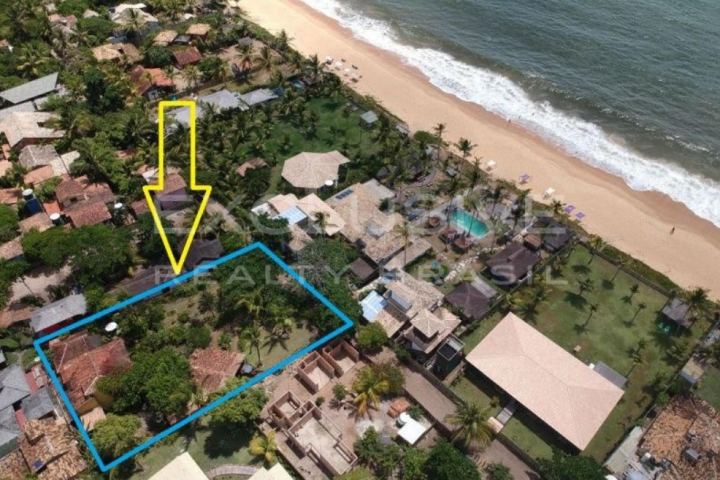

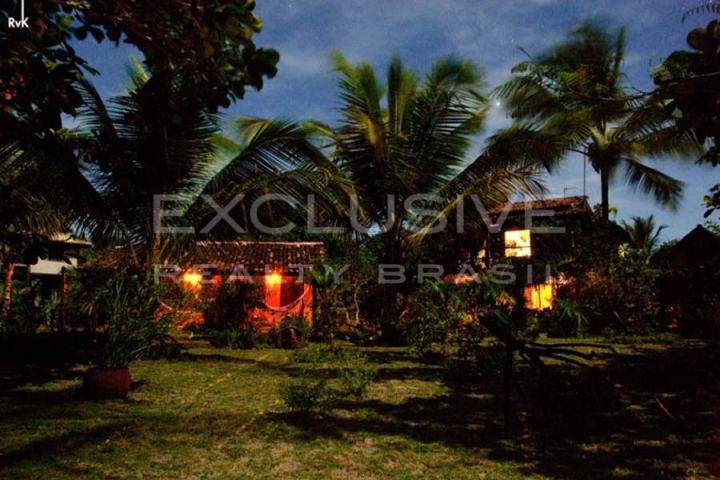


Caraíva Village, Caraíva · Villas & Houses
House with 3 guest chalets, 50 m from the beach in Caraíva
- 4 beds
- 4 baths
- 178 m²

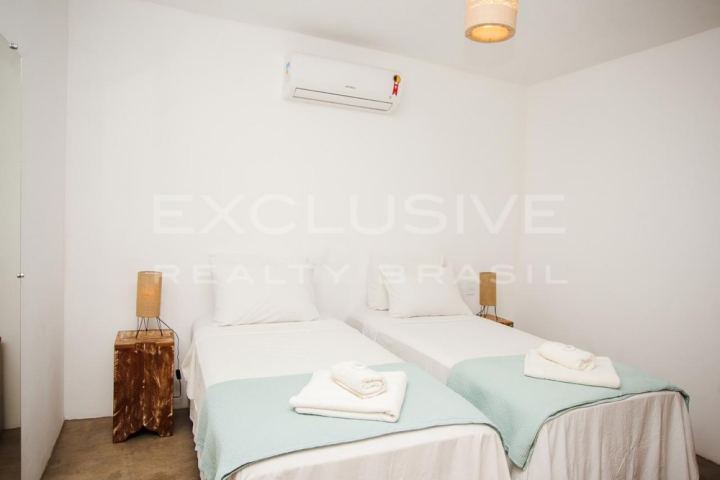
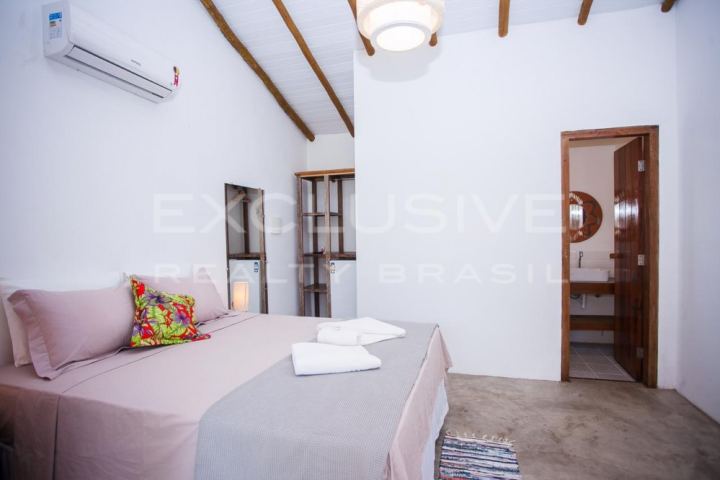
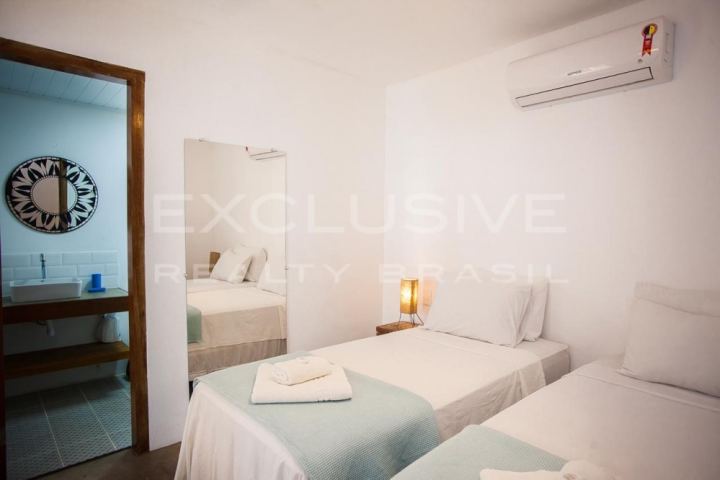
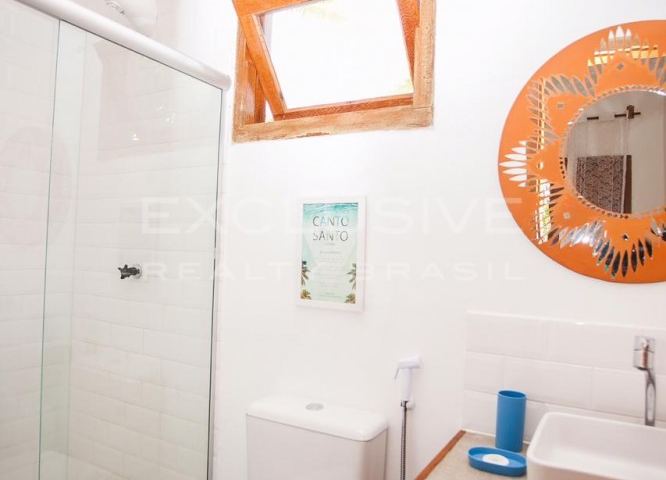

Caraíva Village, Caraíva · Villas & Houses
5-bedroom house on the second line of the beach, Caraíva
- 5 beds
- 4 baths
- 300 m²

Around Caraíva, Caraíva · Land & Building Plots
10-hectare sea-view development land near Caraíva
- 100,000 m² plot

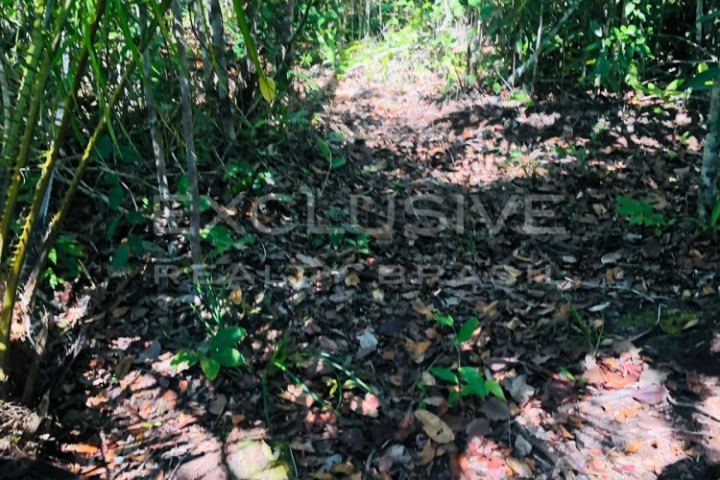
Around Caraíva, Caraíva · Land & Building Plots
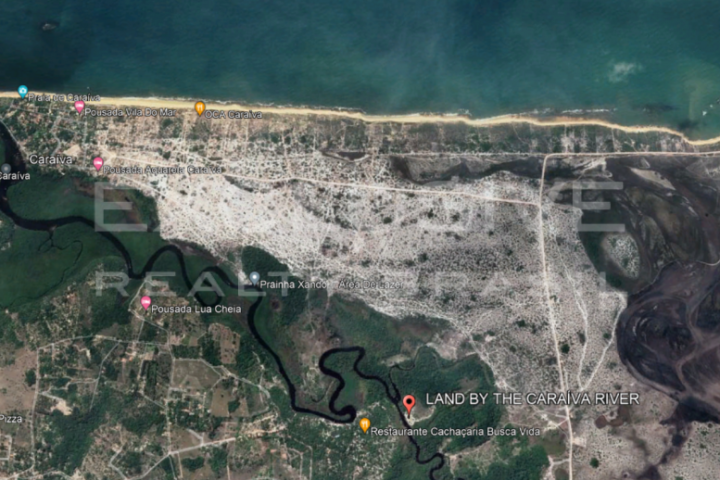
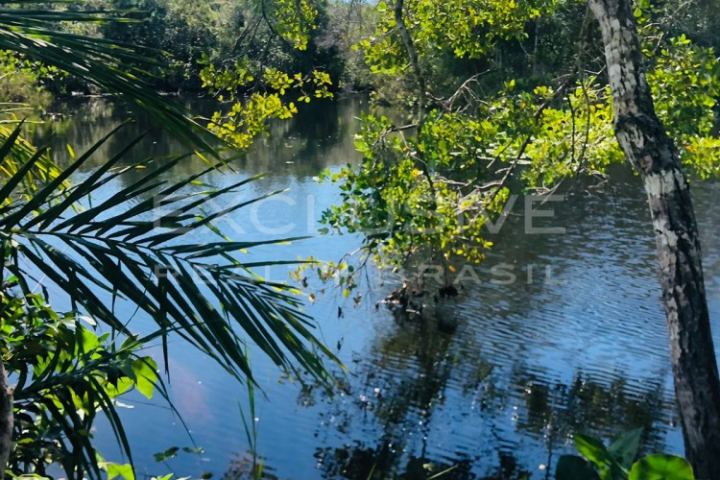
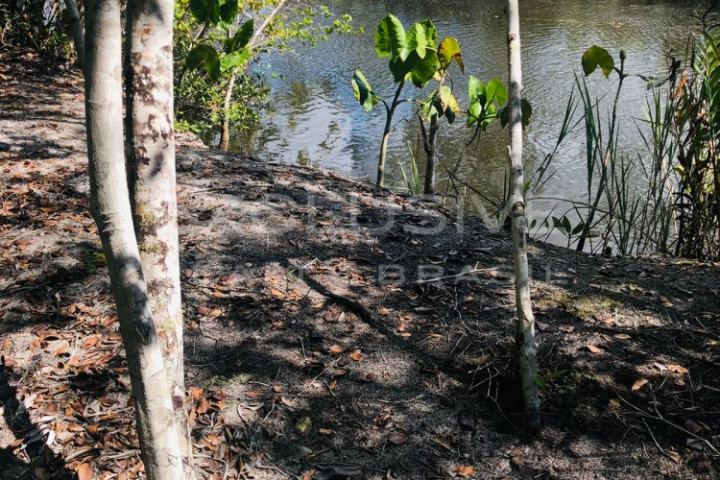
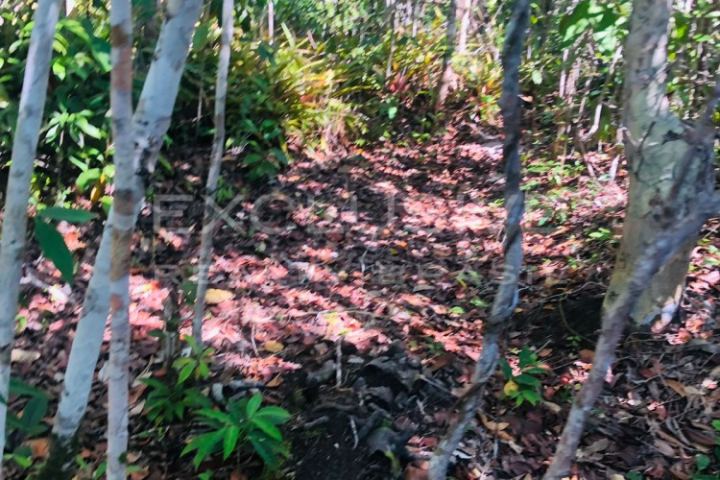
Development land with 197 m on the Caraíva river
- 18,600 m² plot
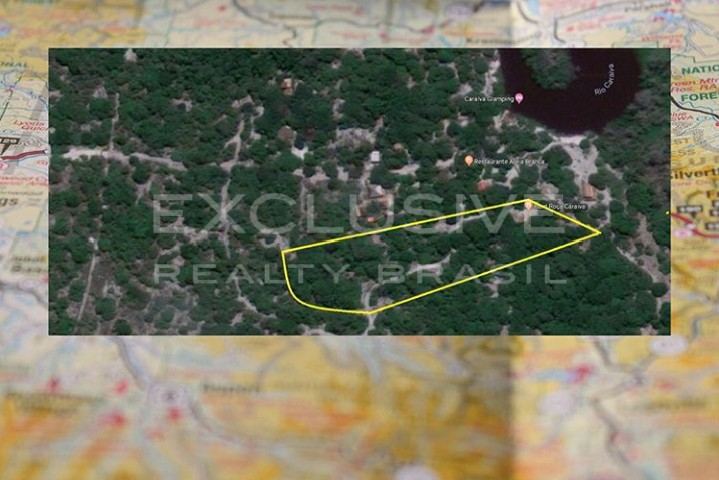
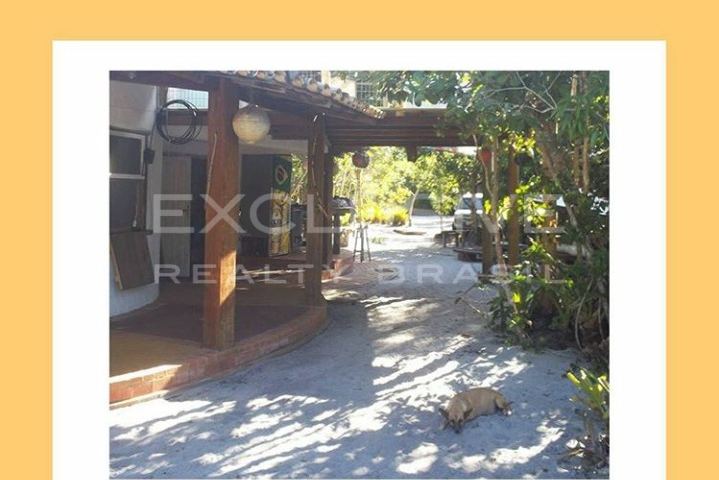
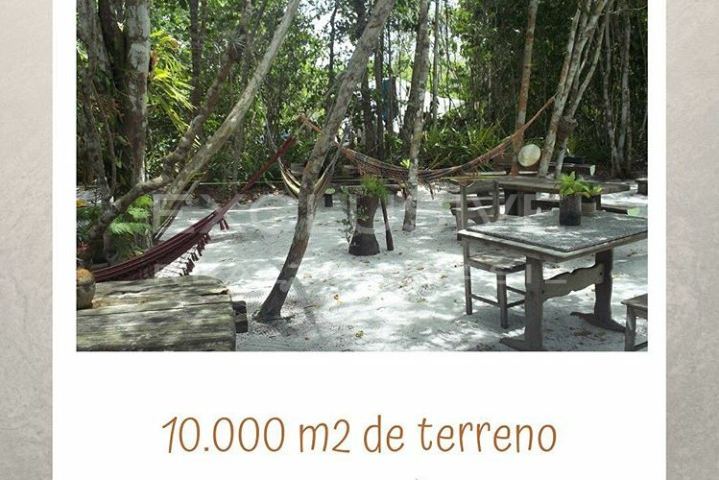


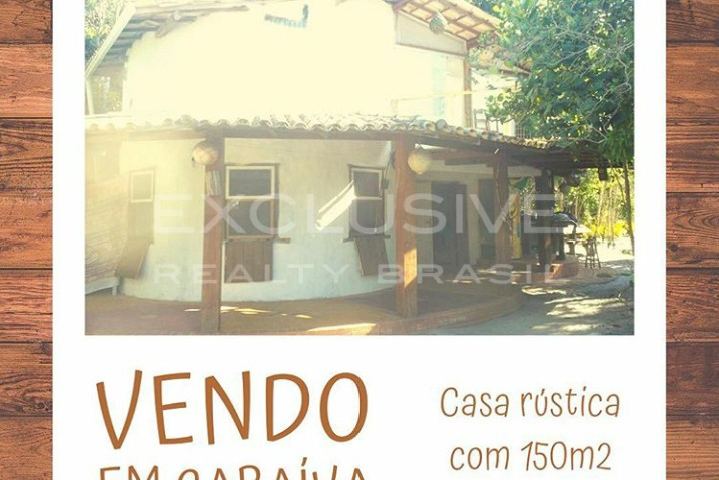
Around Caraíva, Caraíva · Land & Building Plots
1-hectare building plot near the Caraíva river
- 130 m²
- 10,000 m² plot
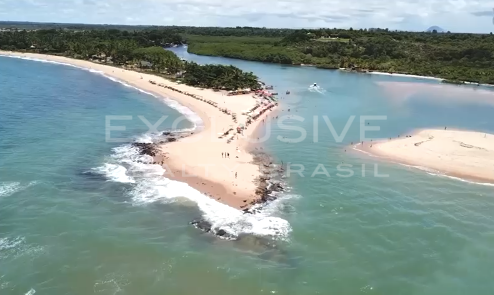
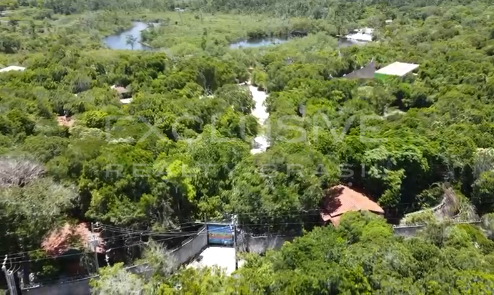
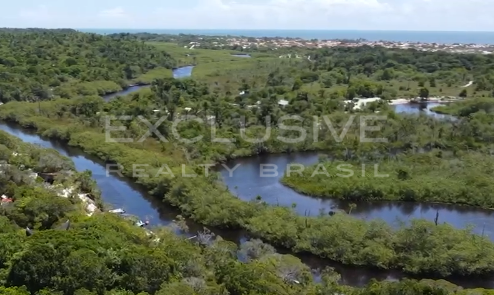
Around Caraíva, Caraíva · Land & Building Plots
18 plots in an eco-friendly development near the Caraíva river
- 48,169 m² plot
Caraíva: frequently asked questions
How do I get to Caraíva?
Fly to Porto Seguro and drive about two hours, or about an hour from Trancoso, on a road that ends in a dirt stretch. You leave the car on the north bank and cross the river by canoe, which takes about five minutes.
Can I drive into the village?
No. Caraíva has no cars and its streets are sand. Cars are parked in Nova Caraíva across the river, and luggage is carried by cart.
Can foreigners buy property in Caraíva?
Yes, on the same terms as anywhere in Brazil. Because of the environmental protection area and the nearby indigenous lands, careful due diligence on zoning and title is essential, and we arrange it with local lawyers.
Is there electricity and internet?
Yes. Electricity arrived in 2007 and many pousadas have wi-fi, but mobile signal is patchy and power cuts can happen in peak season.
For guidance only, as of October 2026.
Questions
Want to know more about an area?
Tell us what you are looking for. We know every community and street, and we are happy to explain the differences before you visit.
- +55 73 99803-4530
- +34 629 892 894
- [email protected]
- Trancoso, Porto Seguro, Bahia, Brazil